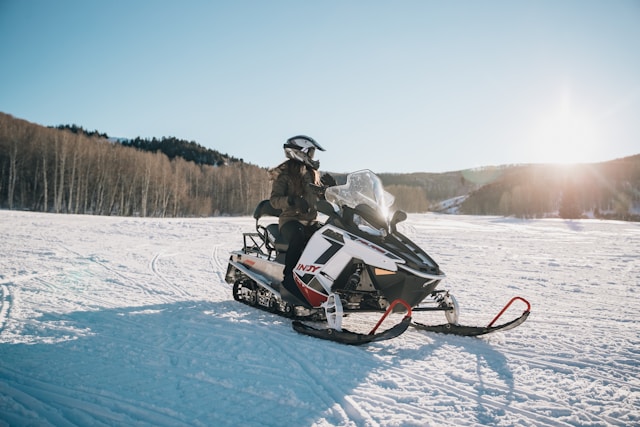
The Forks is Maine’s most underrated snowmobile destination — a small community at the confluence of the Kennebec and Dead Rivers in central Maine, better known for summer whitewater rafting but absolutely transformed in winter into one of the state’s premier snowmobile hubs. After thirty years sending travelers to Maine, we consider The Forks the best destination in Maine for riders who want varied terrain, good infrastructure, and a central location that makes multi-day ITS trips practical. The same river corridors that produce world-class summer rapids become the snowmobile landscape in winter.
Quick answer: The Forks sits on ITS 85 — Maine’s primary central corridor — with connections north to Jackman, east toward Moosehead, and south through Bingham toward the coast. Terrain is varied: river valley riding, forested highlands, and significant elevation change through the Dead River region. Good rental and guided snowmobile infrastructure through rafting outfitters who operate year-round. About 2 hours from Portland, 2.5 from Bangor.
Why The Forks for Snowmobiling?
Three things make The Forks stand out from other Maine snowmobile destinations:
Central location on ITS 85. The Forks sits at a natural intersection point on Maine’s ITS network. From here you can ride north to Jackman (40 miles, full day), east toward Greenville and Moosehead (60 miles), or south through Bingham and ultimately toward Augusta. Multi-day loop trips using The Forks as a hub are practical and popular — the town has the fuel, food, and lodging to support them.
Varied terrain. The Kennebec River valley provides flat, fast riding; the Dead River drainage to the west adds significant elevation change and more challenging terrain; the highland trails between The Forks and Jackman are among the most scenic in central Maine.
Year-round outfitter infrastructure. Unlike some snowmobile towns that are seasonal, The Forks has established outfitters (primarily the rafting operations that run year-round) with guided snowmobile trips, rentals, meals, and lodging already in place. You don’t need to piece together your own logistics.
The Trails
ITS 85 is the primary corridor through The Forks — the main north-south artery for central Maine snowmobiling. Well-maintained, wide, and generally fast riding through the river valleys.
Dead River trails — heading west from The Forks into the Dead River drainage. More technical riding with elevation change, views, and connections toward the western Maine highlands. The Dead River area is also where guided trips often go for a backcountry experience without the commitment of a multi-day trip.
The Forks to Jackman corridor — approximately 40 miles north on ITS 85. One of the classic Maine snowmobile day trips: leave The Forks in the morning, have lunch in Jackman, return the same day or stay overnight. The terrain transitions from river valley to highland as you approach Jackman.
Bingham connections — south on ITS 85 to Bingham (12 miles) and continuing south. Bingham has its own fuel and food stops, and the trail south connects to the broader central Maine network.
Rentals and Guided Trips
Several outfitters in The Forks area offer snowmobile rentals and guided trips, primarily through the rafting companies that operate year-round. Northern Outdoors and Magic Falls Rafting are the two primary operations — both offer guided snowmobile tours, equipment rental, and lodging packages that make The Forks a turnkey destination even for first-time riders.
Guided trips are especially valuable here for riders unfamiliar with the ITS system — local guides know the trail conditions, fuel stop locations, and best routes for the current season. Half-day and full-day guided options are typically available. Book rentals and guided trips 4-6 weeks in advance for January and February peak weekends.
Where to Stay
The Forks lodging is dominated by the same rafting outfitters who run snowmobile operations. Northern Outdoors Resort has cabin and lodge accommodations, a restaurant, and a hot tub — one of the few full-amenity lodging options in the remote central Maine corridor. Magic Falls Rafting also has lodging. Beyond the outfitters, a handful of camps and rental cabins operate in the area.
Alternative base: Bingham (12 miles south on ITS 85) has a motel and more basic lodging options at lower price points. Many riders prefer staying in Bingham for the lower cost and using The Forks as a day-trip destination.
Fueling Up
Fuel availability in The Forks is limited — the outfitters typically offer fuel for their rental fleet, but public fuel on the trail can be scarce. Know your fuel range before leaving any fuel stop. Bingham (12 miles south) has a gas station with snowmobile fuel. Jackman (40 miles north) has multiple fuel options. Plan fuel stops carefully on any ride that takes you away from these anchors.
When to Go
The Forks area typically sees reliable snow from late December through early March. January and February are the best months — consistent grooming, reliable snow cover, and full outfitter operations. The elevation here is moderate (around 800 feet), which means thaw events during warm spells can affect trail quality. Check snowmobilemaine.com conditions before traveling. Peak weekends book up — mid-week trips in January and February offer the best conditions with less competition for fuel and lodging.
Getting to The Forks
The Forks is on Route 201 (Old Canada Road) — approximately 2 hours from Portland via I-95 north to Skowhegan and Route 201 north, and 2.5 hours from Bangor via Route 201. There is no public transportation; a car is required. The road is generally well-maintained in winter but check conditions during and after storms. See our Maine Driving Distances guide for travel times.
Combining Snowmobiling with Other Activities
The Forks area offers ice fishing on the Kennebec River system and several nearby ponds. Cross-country skiing and snowshoeing trails are accessible from the outfitter properties. In warmer winters with marginal snowmobile conditions, the outfitters pivot toward winter hiking and ice fishing — a practical flexibility for visitors dealing with variable conditions.
Summer visitors know The Forks for whitewater rafting on the Kennebec and Dead Rivers — if you’re planning a summer trip and want to preview the area, it’s worth knowing that the same river corridor you’d raft looks completely different in winter. See our Jackman guide for the broader Kennebec Valley context.
Plan Your Trip to The Forks
For broader Maine snowmobiling context, see our Maine Snowmobiling hub covering all destinations and the ITS system. For nearby destinations: Jackman Snowmobiling (40 miles north on ITS 85), Greenville and Moosehead Snowmobiling (east via ITS connectors). For the summer/fall character of this area: Jackman destination guide.
Dreaming of a trailside camp? See our guide to buying recreational land on Maine ITS snowmobile trails with power — the best regions, the trail-access and power trade-offs, and what to verify before you buy.
Snowmobiling in The Forks FAQ
Why is The Forks good for snowmobiling?
The Forks, in Maine’s western mountains at the meeting of the Kennebec and Dead Rivers, is a central snowmobiling hub with excellent ITS trail access, reliable snow, and connections toward Jackman, Greenville, and the Sugarloaf region. It’s known for scenic riding through river valleys and mountains.
When is snowmobile season in The Forks?
The season generally runs from late December or January through March, with the northern, elevated location holding snow well. Conditions vary year to year, so check with local clubs for current grooming and trail reports before heading out.