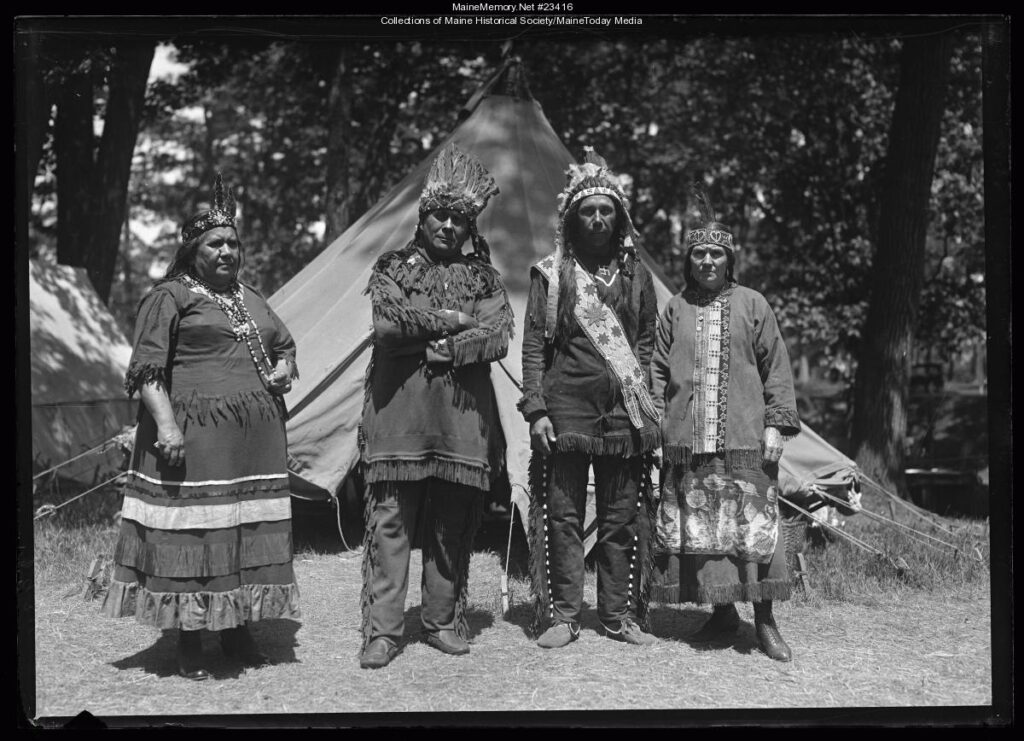
Maine has four federally recognized Native American tribes: the Houlton Band of Maliseet Indians, the Mi’kmaq Nation, the Passamaquoddy Tribe and the Penobscot Nation. Together they are known as the Wabanaki, “People of the Dawnland.” Some lists say five, because the Passamaquoddy have two communities, and some add the Abenaki. Jump to the four tribes, why the count varies or what Wabanaki means.
The four tribes of Maine
- Penobscot Nation (the Panawahpskek Nation in the tribe’s own spelling): based in Old Town.
- Passamaquoddy Tribe (Peskotomuhkati): two communities, Motahkokmikuk at Indian Township, near Princeton, and Sipayik at Pleasant Point, near Perry.
- Houlton Band of Maliseet Indians (Wolastoqiyik): based in Houlton.
- Mi’kmaq Nation: council headquarters in Presque Isle. Older sources still call it the Aroostook Band of Micmacs.
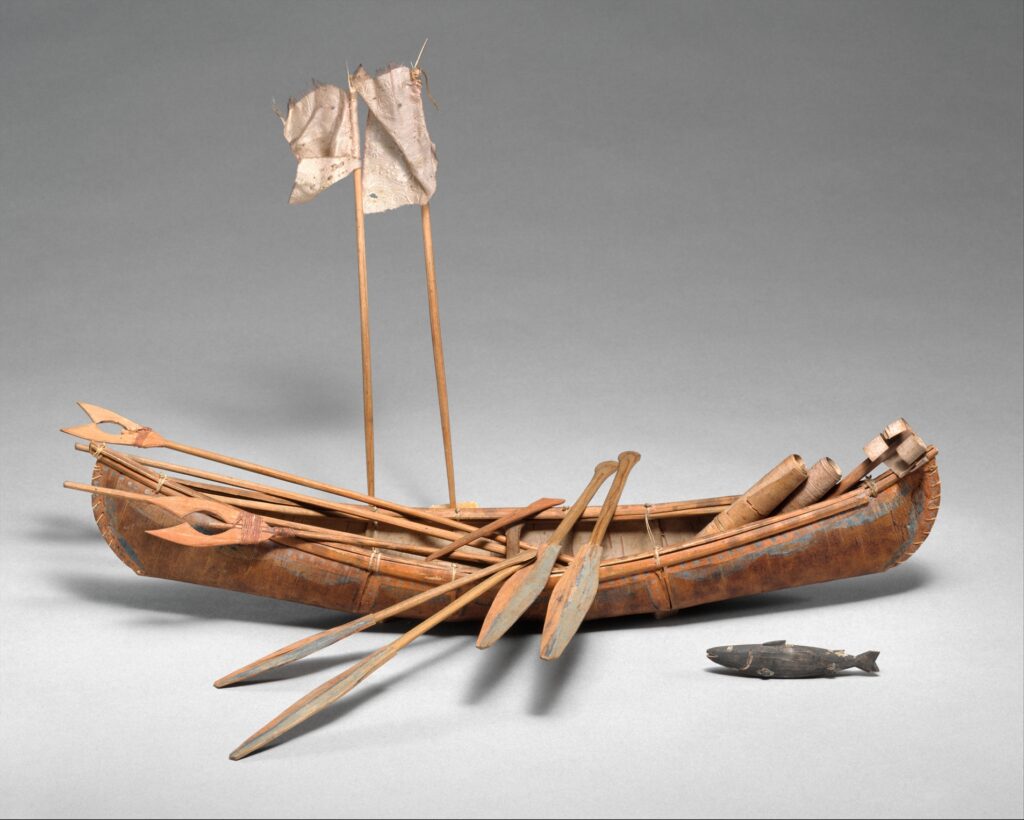
To place these towns on the map, see our Maine counties guide. The tribes run their own governments, community schools and cultural centers, according to the University of Southern Maine library guide.
Why the count is four, five or more
The usual answer is four tribes, but you will see five and even more. Here is why:
- Four: the Maine Indian Tribal-State Commission, the National Park Service, the Abbe Museum and the Wabanaki Alliance all name four tribes or nations.
- Five: Native Languages of the Americas says “five federally recognized Indian tribes in Maine,” and its list splits the Passamaquoddy into two entries, Indian Township and Pleasant Point. The Park Service’s own acknowledgment also names five entities for the same reason.
- Five nations with the Abenaki: the University of Southern Maine Wabanaki guide lists five nations, including the Abenaki. The Native Languages page names the Abenaki as one of the original peoples of Maine but does not list them among the federally recognized tribes. We have not confirmed anything more about Abenaki status in Maine.
- Older names: some sources use the Aroostook Band of Micmacs for what is now the Mi’kmaq Nation, and Penobscot, Passamaquoddy and Maliseet appear next to the tribes’ own spellings. They refer to the same communities.
Our short version: four federally recognized tribes, with five tribal communities.
What does Wabanaki mean?
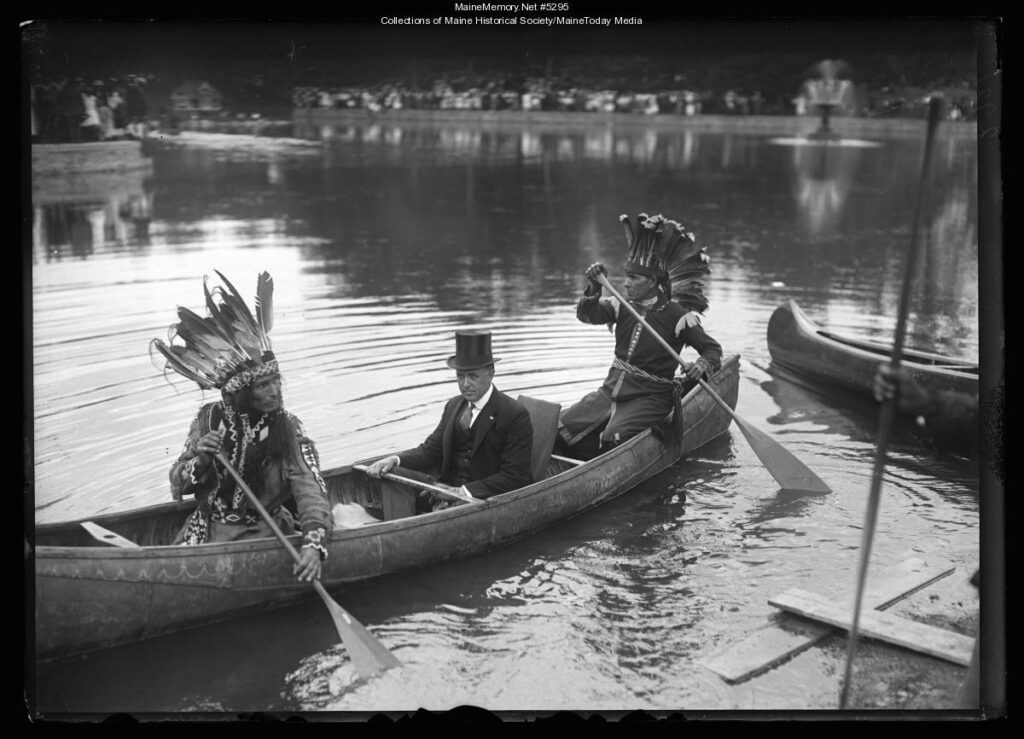
Wabanaki means “People of the Dawnland.” The Park Service says the Wabanaki have lived in the region “since time immemorial” and puts it at as long as 10,000 years. The University of Southern Maine guide describes them as living for thousands of years in what is now Maine and Canada.
The 1980 settlement
The Maine Indian Tribal-State Commission describes the Maine Indian Claims Settlement of 1980 as an agreement among the Houlton Band of Maliseet Indians, the Passamaquoddy Tribe, the Penobscot Nation, the State of Maine and the United States. On the commission’s page, the Mi’kmaq Nation is not listed among the parties. We have not covered what the settlement means in detail here; the commission’s site is the place to start.
Where to learn more in Maine
The Abbe Museum, which has a page on the Wabanaki nations, is in Bar Harbor, and Acadia National Park also has a Wabanaki history page. See our Bar Harbor guide for the area.
Native American Tribes in Maine: FAQ
How many Native American tribes are in Maine?
Four federally recognized tribes: the Houlton Band of Maliseet Indians, the Mi’kmaq Nation, the Passamaquoddy Tribe and the Penobscot Nation. Lists that say five count the two Passamaquoddy communities separately. See why the count varies.
What does Wabanaki mean?
“People of the Dawnland.” It is the collective name for the Maliseet, Mi’kmaq, Passamaquoddy and Penobscot.
Where are the tribes in Maine located?
The Penobscot Nation is in Old Town, the Passamaquoddy at Indian Township and Pleasant Point, the Houlton Band of Maliseet Indians in Houlton, and the Mi’kmaq Nation in Presque Isle.
Are the Abenaki recognized in Maine?
Not among the four federally recognized tribes. One source lists the Abenaki as one of the original peoples of Maine, and a university guide includes them among five Wabanaki nations. We have not confirmed more than that.
Our details come from the Maine Indian Tribal-State Commission, the National Park Service, the Abbe Museum, Native Languages of the Americas and the University of Southern Maine library guide. For history and current matters, the tribes’ own sites are the best source. Counts vary by source and definition.