Quick answer: The best things to do in Maine in winter are skiing and snowboarding, snowmobiling, ice fishing, cross-country skiing, snowshoeing, and winter events and festivals. Many summer attractions close or cut back their hours, so check what is open before you go.
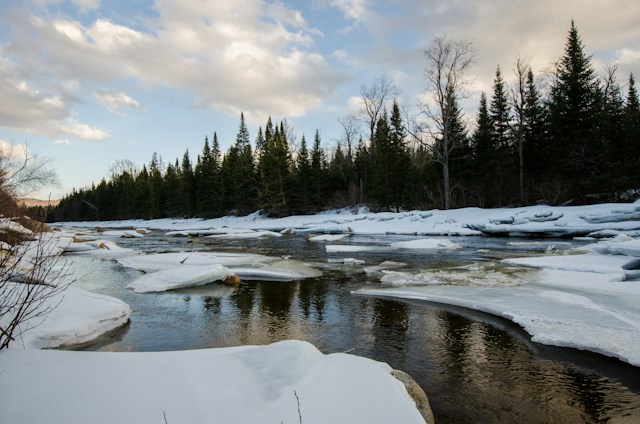
Maine winter highlights: downhill skiing at Sunday River, Sugarloaf, and Saddleback; snowmobiling around Jackman, Moosehead Lake, Rangeley, Millinocket, and Aroostook County; ice fishing; cross-country skiing and snowshoeing; and winter events like the U.S. National Toboggan Championships in Camden. Many summer attractions close or limit access, including the Acadia Park Loop Road (December 1 to April 14) and the buildings at Fort Knox (November through April).
Facts in this guide are current for the 2026-27 season and are reviewed each fall. Check each resort, park, and agency before you travel, since dates and conditions change with the snow.
Visiting just before the snow? Read Maine in November for the quiet season. Visiting at the start of winter? Read Maine in December for holiday events and weather. Visiting as the snow melts? See Maine in Spring. Planning another season? See Maine in Summer. Moving here? Start with our first Maine winter checklist.
What Is a Maine Winter Like?
Maine winter is long, and it varies a lot by region. In the far north the first trace of snow can arrive toward the end of October, while the southern coast often sees its first real snow later. Snow cover builds through December, and January and February are typically the coldest months.
- Southern and midcoast Maine: milder, with a mix of snow, rain and thaws. Roads are cleared quickly, and most towns stay open year-round.
- Western mountains: more snow and colder temperatures, which is why Sugarloaf, Sunday River and Saddleback are there.
- Northern Maine and the Great North Woods: the deepest cold and the most reliable snow. This is snowmobile country, with long distances between services.
Daylight is short. Around the winter solstice the sun sets before 4:30 p.m. in most of the state, so plan outdoor activities for the middle of the day. Temperatures on the coast are typically in the 20s and 30s Fahrenheit in midwinter. Inland and in the north it is colder, and nights in the mountains and the north can fall well below zero. Conditions change from week to week, so check the National Weather Service forecast for your area before you travel.
For the best weeks to ski or ride, see our guide to the best time to visit Maine.
Skiing and Snowboarding
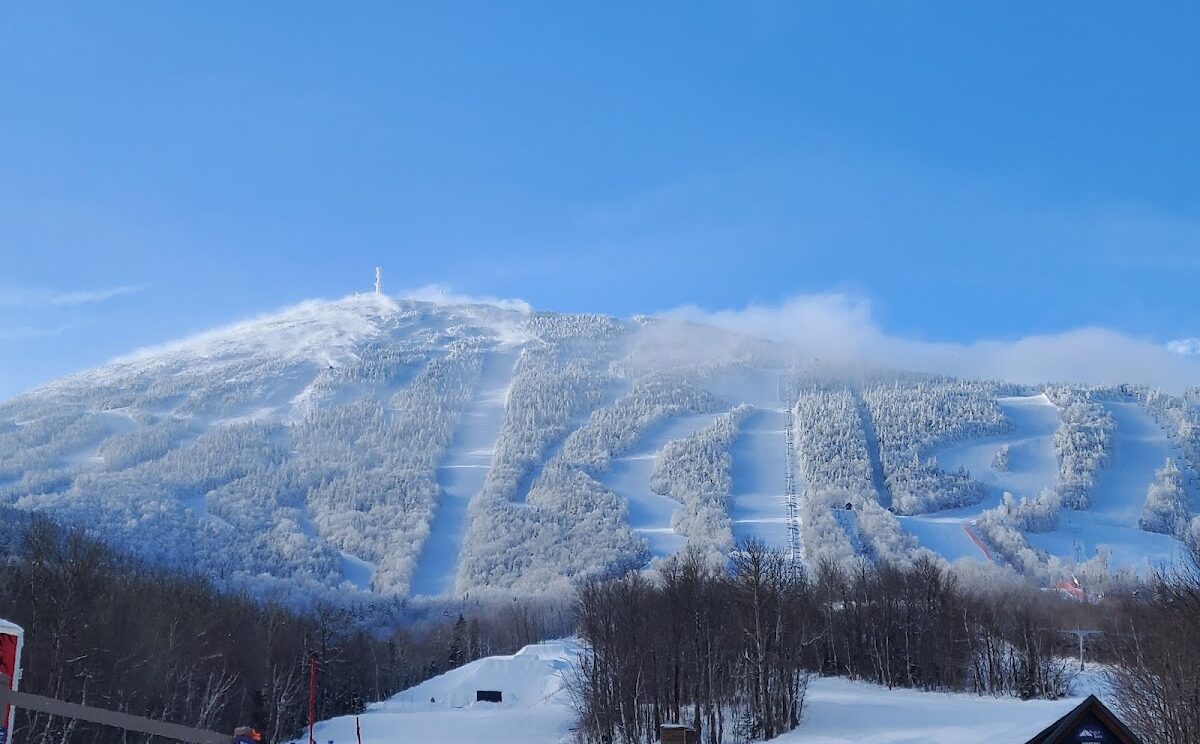
Maine’s ski season typically starts between mid-November and mid-December, depending on temperatures and snowmaking, and runs into April. Our full Maine skiing guide covers every area. These are the main ones.
Sugarloaf (Carrabassett Valley): Maine’s biggest ski mountain by vertical drop and trail count, with about 2,820 feet of vertical, 15 lifts, and 176 trails. It is the second-highest mountain in the state after Katahdin.
Sunday River (Newry, near Bethel): About 2,340 feet of vertical, 19 lifts, and 139 trails, with plenty of lodging and dining nearby in the Bethel area.
Saddleback (Rangeley): About 2,000 feet of vertical, 6 lifts, and 68 trails, in the Rangeley Lakes region.
Mt. Abram (Greenwood): A locally owned, family-friendly mountain near Bethel with about 1,150 feet of vertical, 5 lifts, and 44 trails.
Pleasant Mountain (Bridgton): Long known as Shawnee Peak, with about 42 trails and 6 lifts, within day-trip distance of Portland.
Camden Snow Bowl (Camden): A community-owned mountain with nearly 1,000 feet of vertical, 15 alpine trails, and ocean views. See our Camden guide.
Lost Valley (Auburn): A small local hill with about 31 trails, good for beginners.
Choosing between mountains? Compare Sunday River vs Sugarloaf, Sugarloaf vs Saddleback, and Pleasant Mountain vs Sunday River.
Snowmobiling
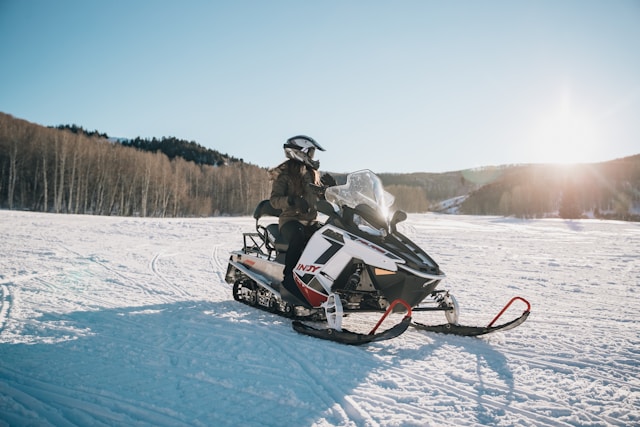
Snowmobiling is synonymous with Maine winter. More than 14,000 miles of marked, groomed trails are maintained by roughly 280 local clubs, including about 4,000 miles of the Interconnected Trail System (ITS), whose main trails are marked red. Prime riding areas include Jackman and the Moose River valley, Moosehead Lake, the Rangeley Lakes, the Millinocket and Katahdin area, and Aroostook County in the far north.
Maine uses sled registration rather than a trail pass. Every rider, resident or not, must register the snowmobile, and nonresidents can choose short-term or full-season registration. Check the Maine Department of Inland Fisheries and Wildlife for current fees. Nonresidents may ride with a valid registration from their home state or province during an annual free snowmobile weekend in early March (it was March 6 to 8 in 2026).
Start with our Maine snowmobiling guide, then see the regional guides for Rangeley and Jackman. Riding the Kennebec corridor? See our guide to snowmobiling in The Forks and Bingham, or the Bingham, Maine guide if you are staying in town.
Ice Fishing
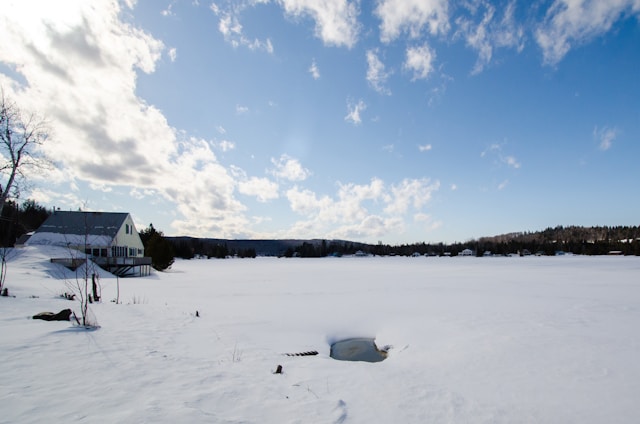
Ice fishing is a Maine winter tradition, and many lakes host derbies through the season. A Maine fishing license is required for anglers 16 and older. Ice thickness varies by lake and by week, so check conditions with a local guide, bait shop, or warden service before going out. See our ice fishing guide and our fishing license guide for which license you need.
Cross-Country Skiing, Snowshoeing, and Winter Hiking
Most Maine ski areas and many towns maintain trails for cross-country skiing and snowshoeing. In western Maine, Maine Huts & Trails maintains about 80 miles of non-motorized trails between Carrabassett Valley and The Forks, linked by backcountry huts used for winter ski trips; check the organization for current hut seasons. Acadia’s closed roads and carriage roads become some of the best winter skiing and snowshoeing on the coast, covered below.
Headed to Acadia? The park stays open in winter, though most of the Park Loop Road closes to cars from December 1 to April 14. Our guide to Acadia in winter covers what stays open, the carriage roads and snowmobile rules.
What Is Open and Closed in Maine in Winter
Acadia National Park: The park is open year-round, but the Park Loop Road, including the Cadillac Summit Road, is closed to cars from December 1 through April 14, weather permitting. Two short sections stay open to vehicles: the Jordan Pond road in Seal Harbor and a stretch between Schooner Head Road and Otter Cliff Road in Bar Harbor. The closed roads are open to cross-country skiers, snowshoers, and, under Maine law, snowmobiles. The Hulls Cove Visitor Center and the Island Explorer bus close for the season. See our Bar Harbor guide.
Fort Knox and the Penobscot Narrows Observatory: The buildings and observatory close from November through April, but the park grounds stay open free, 9 a.m. to sunset. See our Fort Knox guide.
Baxter State Park: The summer camping and trailhead season ends in the fall, and winter access is limited and on foot or skis. Check the park’s winter rules and reservation requirements before planning a winter visit. See our Baxter State Park guide.
Lighthouses and the coast: Many lighthouse grounds stay open all year while museums and towers keep seasonal or reduced hours. Fort Williams Park, home of Portland Head Light, is open year-round, and a winter storm along the rocky coast is a sight in itself. Check ahead for museum hours.
Winter Events
The headline event is the U.S. National Toboggan Championships at the Camden Snow Bowl each February, where hundreds of teams race wooden toboggans down a 400-foot icy chute at up to about 40 mph. The 35th annual was held February 6 to 8, 2026; check the Snow Bowl for the next dates. Other winter events include Camden Winterfest, the Rangeley snowmobile Snodeo, ice fishing derbies, and the Christmas Prelude in Kennebunkport. See the full Maine events calendar.
Where to Stay
Ski and snowmobile lodging books early around holidays and February school breaks. The main bases are Bethel for Sunday River, Rangeley for Saddleback, and the Moosehead Lake area for snowmobiling. See our Bethel, Rangeley, and Moosehead Lake guides, or browse the Maine lodging directory.
Winter Driving in Maine
Winter storms can close mountain roads and slow coastal highways. Check Maine’s 511 road-conditions service before long drives, carry winter supplies, and allow extra time. Our driving distances guide gives baseline distances between towns.
Maine in Winter: FAQ
What is there to do in Maine in winter?
Downhill skiing and snowboarding at Sunday River, Sugarloaf, Saddleback, and smaller mountains; snowmobiling on more than 14,000 miles of marked trails; ice fishing; cross-country skiing and snowshoeing; and winter events such as the U.S. National Toboggan Championships in Camden.
When does it start snowing in Maine?
It depends on where you are. The far north can see its first trace of snow toward the end of October, the western mountains usually follow in November, and the southern coast often gets its first real snow later and with more rain mixed in. Snow cover builds through December.
How much snow does Maine get?
It varies widely by region and by year. The coast gets the least, and the western mountains and northern Maine get much more. For current totals and forecasts, check the National Weather Service for your area.
When does ski season start in Maine?
Maine’s larger mountains typically open between mid-November and mid-December, and smaller areas open later in December, depending on temperatures and snowmaking. The season generally runs into April. Check each resort for current opening dates.
Is Maine a good place to visit in winter?
Yes, if you like snow sports, quiet towns and lower lodging demand outside holidays and school breaks. If you want beaches, boat trips and the full summer season, wait for another time of year. Many coastal attractions close or cut back hours in winter.
Is Acadia National Park open in winter?
Yes, the park is open year-round, but the Park Loop Road, including Cadillac Summit Road, is closed to cars from December 1 through April 14, with two short sections open to vehicles. The closed roads are open for cross-country skiing, snowshoeing, and snowmobiling, and the Hulls Cove Visitor Center closes for the season.
Do you need a trail pass to snowmobile in Maine?
No trail pass is required, but every snowmobile must be registered in Maine, and nonresidents can choose short-term or season registration. Nonresidents may ride with a valid home-state registration during the annual free snowmobile weekend in early March.
Is Fort Knox open in winter?
The fort buildings and the Penobscot Narrows Observatory close from November through April, but the park grounds stay open free, 9 a.m. to sunset, year-round.
See also our best things to do in Maine, best time to visit Maine, and guide to moving to Maine for what year-round living is really like.
Planning to ride a snowmobile? See how snowmobile registration in Maine works.
Visiting for the holidays? See our Christmas in Maine guide for events and 2026 dates.
Winter nights are the best time for the aurora. See where to look in our northern lights in Maine guide.
Related: Looking for a late-winter day out? Our Maine Maple Sunday guide covers Maine’s open sugarhouse weekend in March.
MaineGuide.com has been helping people visit, move to and work in Maine since 1995. We are part of a Maine network that includes JobsInMaine.com, connecting Maine employers and job seekers since 1997.