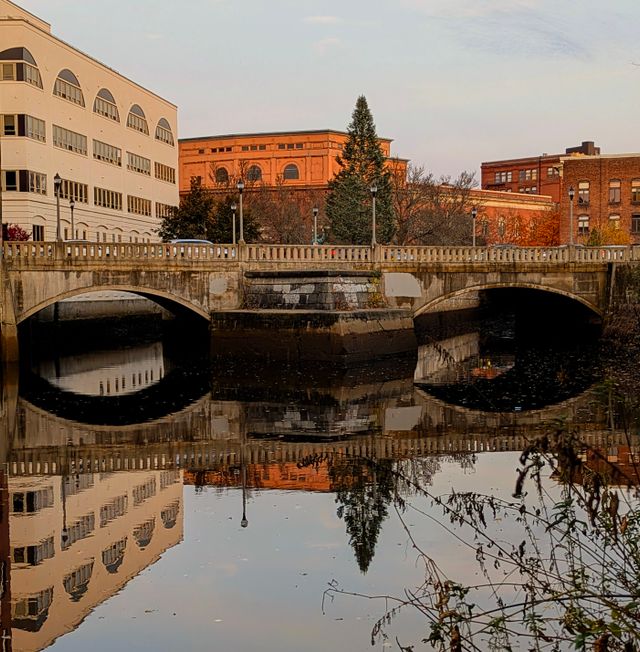
Living in Bangor, Maine — A local relocation guide. Updated June 2026. Cost of living, housing, the real job market, neighborhoods, schools, and honest trade-offs.
Bangor is Maine’s third-largest city and the unofficial capital of the northern two-thirds of the state — the place central and northern Mainers come to for the hospital, the airport, the mall, and the jobs. For people considering a move to Maine who want genuine Maine character, a real job market, and housing prices that haven’t been bid up to Portland levels, Bangor is one of the most sensible and overlooked choices in the state. After thirty years covering Maine — and running JobsInMaine.com, the state’s longtime job board — here is the honest picture of what it’s actually like to live here.
Quick answer: Bangor (population ~31,600) offers a median home value around $240,000-290,000 — well below Maine’s statewide median near $380,000 — with a stable job market anchored by healthcare (Northern Light Health is the dominant employer), low unemployment (~3.2%), and short commutes (~13 minutes average). Cost of living runs near to modestly below the national average. The trade-offs are real: long, cold winters, high electricity and heating costs, and a smaller job market outside healthcare, education, and retail. For current Bangor-area job openings, see JobsInMaine.com.
Cost of Living in Bangor
Bangor’s cost of living is one of its strongest selling points, though the exact figure depends on which index you read — they genuinely disagree, with estimates ranging from roughly 14% below the national average (BestPlaces) to a few percent above (some relocation calculators). The honest summary: Bangor is close to the national average overall, meaningfully cheaper than Portland and southern Maine, and the most affordable of Maine’s real cities with full services.
Housing is where Bangor wins clearly. The median home value sits around $240,000-290,000 depending on the source and month — compared to a statewide Maine median near $380,000-420,000 and Portland-area prices well beyond that. Median rent runs roughly $1,070-1,100 for the metro area. For newcomers priced out of southern Maine, this is the single biggest reason to look north.
Energy is the hidden cost. Maine electricity is among the most expensive in the country — Bangor-area rates run around $0.28 per kWh, roughly 49% above the national average. Combined with long winters and homes that often still run on heating oil, expect annual heating costs of $2,000-4,000 depending on home size and heating type. This is the budget line newcomers most often underestimate. Heat pumps (with state rebates available) and weatherization meaningfully reduce it.
Other costs — groceries run within a couple percent of the national average; transportation is cheaper than average thanks to short commutes; healthcare costs are moderate. Maine’s state income tax ranges from 5.8% to 7.15%, and there is no sales tax on groceries.
The Bangor Job Market
This is where most relocation guides go vague, and where it matters most — you can’t live somewhere you can’t earn a living. Bangor’s unemployment rate (~3.2%) runs below the national average, and the job market is more resilient than its size suggests because Bangor functions as the service hub for the entire northern half of Maine.
Healthcare is the dominant sector. Northern Light Eastern Maine Medical Center is the region’s largest employer and the major referral hospital for northern and eastern Maine, with Northern Light Health’s broader system adding thousands of jobs across nursing, allied health, administration, and support roles. Northern Light and the broader healthcare sector are in persistent hiring mode — if you work in healthcare, Bangor has genuine, sustained demand.
Other significant employers and sectors: the University of Maine system (Orono is 10 minutes away), education (public schools and Husson University), retail and regional services (Bangor draws shoppers from a huge rural catchment), the Bangor Savings Bank headquarters, government (Penobscot County seat), and a growing presence in technology and remote work as housing affordability attracts relocating professionals.
The honest caveat: outside healthcare, education, retail, and government, the Bangor job market is thin. Specialized professional roles, tech, and higher-paying private-sector jobs are more limited than in Portland. Many newcomers succeed in Bangor by bringing a remote job with them or working in one of the anchor sectors. If you’re moving without remote work or a healthcare/education background, line up employment before you move. Browse current openings on JobsInMaine.com to gauge the market in your field before committing.
Bangor Neighborhoods and Where to Live
Downtown Bangor has undergone a real revival — restaurants, the Waterfront concert venue, breweries, and walkable blocks. Good for younger residents and anyone wanting urban character. The West Side and Broadway area hold many of the city’s historic homes — grand 19th-century houses from the lumber-baron era at prices that would be unthinkable in southern Maine. The Tree Streets is a peaceful, historic neighborhood on Bangor’s east side, known for its welcoming community. It borders the Broadway Historic District and is named for its tree-themed streets, such as Birch, Elm, Maple, and Pine. It is also close to Chapin Park and Stetson Square. Outer Bangor and the surrounding towns (Hampden, Orono, Hermon, Brewer across the river) offer suburban and rural options with strong schools — Hampden and Orono in particular are popular with families. Brewer, directly across the Penobscot, is a more affordable bedroom community with quick downtown access.
Schools and Education
Bangor public schools are solid, and the surrounding towns of Hampden and Orono are particularly well-regarded for families. John Bapst High School is a private, college-preparatory school in Bangor, known for its strong academics, diverse student body, and historic campus overlooking the city. The University of Maine flagship campus in Orono (10 minutes north) anchors the region academically and culturally, and Husson University and Eastern Maine Community College add higher-education options within the city. For families prioritizing schools, the Hampden and Orono districts are the most common reasons people choose the suburbs over the city proper.
Healthcare
Healthcare access is a genuine Bangor advantage — and a major reason people relocate here from more rural parts of Maine. Northern Light Eastern Maine Medical Center is a full-service regional referral hospital, meaning you have specialist care, emergency services, and a major hospital system in town rather than 90 minutes away. For anyone moving from rural Maine or planning for retirement, being in Bangor rather than the surrounding countryside means real, local access to medical care.
Winter and the Honest Trade-Offs
Bangor winters are serious — colder and snowier than coastal southern Maine. Expect a long winter (roughly November through March), significant snowfall, and stretches well below freezing. You will need a reliable vehicle and a real winter wardrobe. The high energy costs noted above are partly a winter story. This is not a place for people who want to avoid cold weather; it’s a place for people who either embrace winter (skiing, snowmobiling, ice fishing are all close) or accept it as the price of everything else.
The other honest trade-offs: the job market is narrower than Portland’s outside the anchor sectors; cultural amenities, while improved, are modest compared to a big city; and northern Maine’s remoteness means a 2+ hour drive to Portland and 4+ hours to Boston. What you get in exchange: affordability, short commutes, genuine community, real Maine character without the tourist-economy polish, and immediate access to the outdoors.
Is Bangor a Good Place to Live?
Bangor is an excellent fit for: healthcare and education professionals, remote workers who want affordability and Maine character, families seeking strong suburban schools (Hampden, Orono) at reasonable prices, retirees who want major-hospital access, and anyone priced out of southern Maine who still wants a real city with full services. It’s a poor fit for people who need a deep professional job market outside the anchor sectors, who want to avoid cold winters, or who want big-city culture and nightlife.
For the relocation decision overall, see our complete Moving to Maine guide. To compare Bangor with other Maine cities, see Bangor vs Portland. And to see what work is actually available in the area before you commit, browse JobsInMaine.com — Maine’s job board for nearly 30 years.
Living in Bangor FAQ
Is Bangor, Maine affordable?
Yes, relative to most of Maine and New England. Bangor’s median home value (around $240,000-290,000) is well below the statewide median, and overall cost of living runs near or below the national average. The main affordability caveat is energy — Maine electricity and winter heating costs are well above the national average.
What is the job market like in Bangor?
Stable, with low unemployment (~3.2%), anchored by healthcare (Northern Light Health is the dominant employer), education (University of Maine in nearby Orono), retail, and government. The market is thinner for specialized professional and tech roles. Many newcomers either work in the anchor sectors or bring remote jobs. Check current listings at JobsInMaine.com.
What are the best areas to live around Bangor?
Downtown for walkable urban living, the West Side for historic homes, and the Tree Streets for a peaceful, historic neighborhood and welcoming community. Also surrounding towns of Hampden, Orono, and Brewer for families wanting strong schools and suburban or small-town settings. Hampden and Orono are especially popular with families.
How cold are Bangor winters?
Cold and snowy, running roughly late November through early March, colder than coastal southern Maine. A reliable vehicle and real cold-weather preparation are necessary. High heating and electricity costs are part of the winter reality.
MaineGuide.com has been helping people explore, visit, and relocate to Maine since 1995 — one of the longest-running State resources on the web, and part of a Maine network that includes JobsInMaine.com.
Comparing Maine cities to live in? See also our Living in Lewiston guide.
Comparing Maine cities? See also our Living in Portland guide.
Comparing central Maine options? See our Living in Waterville guide.
Comparing central Maine? See our Living in Augusta guide.
Weighing the climate angle? See our honest look at whether Maine is a climate haven and where in the state carries the least risk.
Bangor Housing & Home Prices (2026)
As of 2026, the average home value in Bangor is around $295,000-$300,000 – well below the statewide median and one of the most affordable real markets in Maine with genuine transaction volume. A two-bedroom apartment rents for roughly $1,200-$1,400 a month. Bangor offers some of the best value in the state for buyers who still want a real city’s services. (Housing figures are approximate and change over time; verify current prices before buying.)
Maine employer hiring? Reach local Maine candidates directly — post a job on JobsInMaine.com, Maine’s job board since 1997. Flat-rate pricing, no per-click charges, and an audience focused on Maine.