
There is no closed lobster season in Maine. Traps can be set and hauled all year, and the state’s lobstermen land lobster in every month. What changes is how many boats are out, where the lobsters are, and what kind of shell they have. The Maine Department of Marine Resources (DMR) publishes landings by month, so we can show you the season in numbers: about 56% of the 2025 catch came ashore in just three months, August through October.
This page covers the season and what it means for eating lobster. For how the fishery itself works, from traps and buoy colors to licenses, see our Maine lobstering guide.
Is there a lobster season in Maine?
No. Unlike deer or salmon, lobster has no statewide closed season. Maine does limit when traps can be hauled, which we cover below, but the fishery never shuts down. Lobster is on boats’ decks, in pounds and on menus all year, though how much and what kind depends heavily on the month.
Maine lobster landings by month, 2025
This chart shows the pounds of lobster landed in Maine in each month of 2025, according to DMR. The three darkest bars are August, September and October.
Statewide lobster landings in millions of pounds, 2025. Source: DMR, preliminary data.
- Peak: August was the biggest month at 15.3 million pounds, 19% of the year. It was also the biggest month in 2024, at 17.9 million pounds.
- The heavy stretch: August, September and October together landed 44.2 million pounds, about 56% of the total. Add July and November and you have 63.5 million pounds, about 80%.
- The slow months: March was the lowest at 0.89 million pounds, barely 1% of the year.
- It moves year to year: July 2025 landed 8.8 million pounds, compared with 12.8 million in July 2024. The data don’t say why, so we won’t guess, but it shows the summer rise doesn’t arrive on the same schedule every year.
Month by month
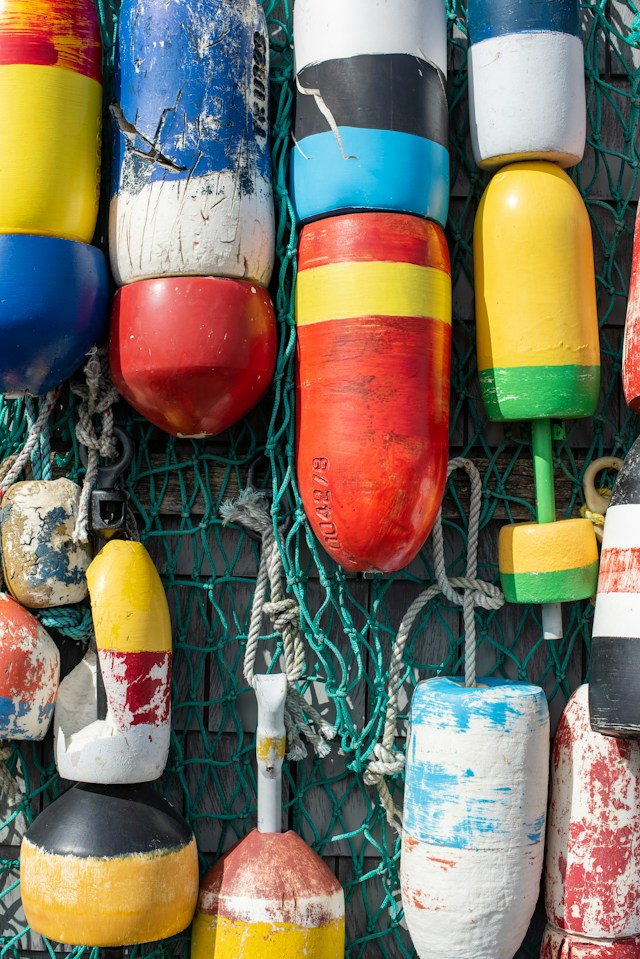
- December to March: the quietest stretch. These four months landed 8.9 million pounds in 2025, about 11% of the year. Fewer boats fish, and many of those that do work farther offshore.
- April to June: landings climb from 1.1 million pounds in April to 3.1 million in June, but the three months together were only 6.5 million pounds, about 8% of the year.
- July: the jump. Landings nearly tripled from June, to 8.8 million pounds, as lobsters move toward shallower water and start to molt.
- August to October: the peak. Each month landed more than 14 million pounds in 2025.
- November: still strong at 10.5 million pounds, which was higher than November 2024’s 9.3 million. Landings fall off sharply in December.
Hauling hours: the rules that shape the seasons
Maine law, in 12 M.R.S. §6440, limits when lobster traps can be raised or hauled:
- June 1 to August 31: no hauling from half an hour after sunset until half an hour before sunrise. There is also no hauling from 4 p.m. Eastern Daylight Time on Saturday until half an hour before sunrise on Monday. That weekend closure doesn’t apply if the National Weather Service has a hurricane warning in effect for Maine’s coastal waters.
- September 1 to October 31: no hauling from half an hour after sunset until 4 a.m.
- November 1 to May 31: hauling is allowed at any hour.
In practice, that means summer harbors are quiet on weekend afternoons and Sundays, which is when many visitors try to watch boats work. Weekday mornings are better.
Shedders and hard-shell lobsters
Lobsters grow by molting, and a lobster that has just molted has a thin, soft shell until the new one hardens. These “shedders” are what the summer catch tends to include, and Maine Sea Grant notes that late summer is when both hard-shell and soft-shell lobsters are available. Hard-shells are meatier and tougher to crack. Soft-shells are easier to open and usually cheaper. We explain how to eat both in how to eat a lobster.
The best time to eat lobster in Maine
- Late summer and fall: the supply is at its biggest, so this is when the lobster pounds and shacks have the most to sell. A fall trip also lines up with foliage season. Our best time to visit Maine guide has the full picture on crowds and weather.
- Check hours first: many of the best shacks and pounds are seasonal and close in the fall. Our lobster roll guide covers when they open and close.
- Winter and spring: lobster is still available, but there are far fewer places selling it by the pound.
The 2025 catch and prices
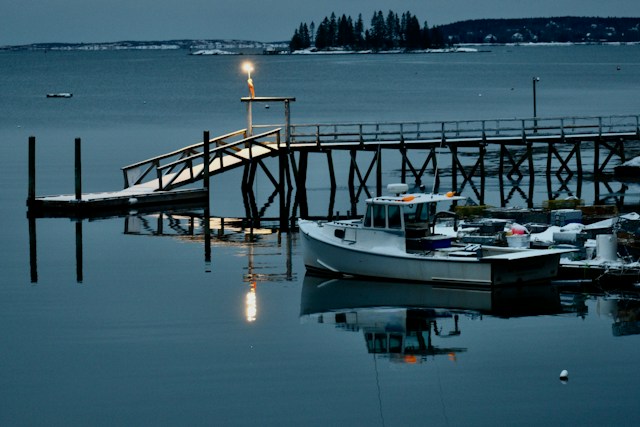
Maine’s lobstermen landed 78.8 million pounds in 2025, worth $461.4 million at the boat. That is a drop from 2024, when DMR reported $528.4 million at the boat. The average boat price was $5.85 a pound, the third-highest on record, compared with $6.14 in 2024. Fishermen also made more than 21,000 fewer trips, a drop of nearly 10%. Lobster was still the state’s highest-value fishery. These are boat prices, what a lobsterman is paid at the dock. What you pay at a restaurant or seafood counter is a different number. The 2025 figures are preliminary and DMR may revise them.
Maine lobster season FAQ
Is there a lobster season in Maine? No. Lobstering goes on all year. The heaviest landings come from August through October, and there are limits on when traps can be hauled in summer and early fall.
When is the peak of lobster season in Maine? In 2025, August was the biggest month at 15.3 million pounds, and August through October together made up about 56% of the catch.
Can you get Maine lobster in winter? Yes. Landings are lower, with March the lowest month in 2025, but lobster is caught every month of the year.
What size does a lobster have to be in Maine? Lobsters must be between 3 1/4 and 5 inches measured along the body shell. Egg-bearing females must be released. See our lobstering guide for the rules.
Can visitors catch their own lobster? Non-commercial lobster and crab licenses allow up to five traps, but Maine Sea Grant says they are limited to Maine residents. Check with DMR before you plan on it.
Sources: DMR lobster landings by month, DMR 2025 fisheries value release, DMR 2024 fisheries value release, 12 M.R.S. §6440, closed periods, and Maine Sea Grant’s lobster guide. Checked November 7, 2026. Monthly figures are rounded from DMR’s preliminary 2025 data.