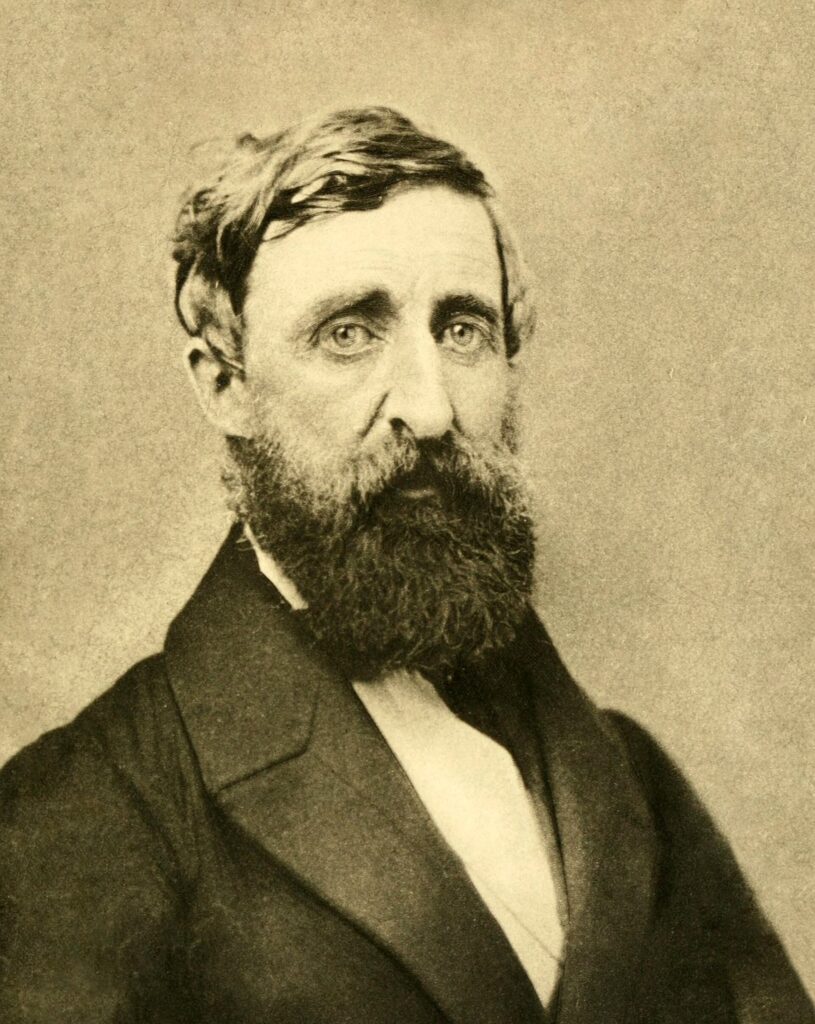
Henry David Thoreau made three trips into the Maine woods, in 1846, 1853 and 1857, and wrote about them in The Maine Woods, published in 1864, two years after his death. Here is what each trip covered, whether he ever reached the summit of Katahdin, where our sources disagree, and how much of his route you can still follow.
Thoreau’s three Maine trips at a glance
- 1846: Ktaadn (Katahdin). Thoreau left Concord, Massachusetts, on August 31 and set out from Bangor on September 1, per his own text. He did not reach the summit.
- 1853: Chesuncook. A trip to Chesuncook Lake. Wikipedia names Joe Aitteon as the guide.
- 1857: Allegash and East Branch. The longest chapter of the book and, per Wikipedia, one of his last writings.
Thoreau spelled the mountain Ktaadn. We use Katahdin, the modern spelling, except when quoting titles. The three-trip structure comes from the Thoreau-online summary and Wikipedia.
1846: Katahdin, and the summit he never reached
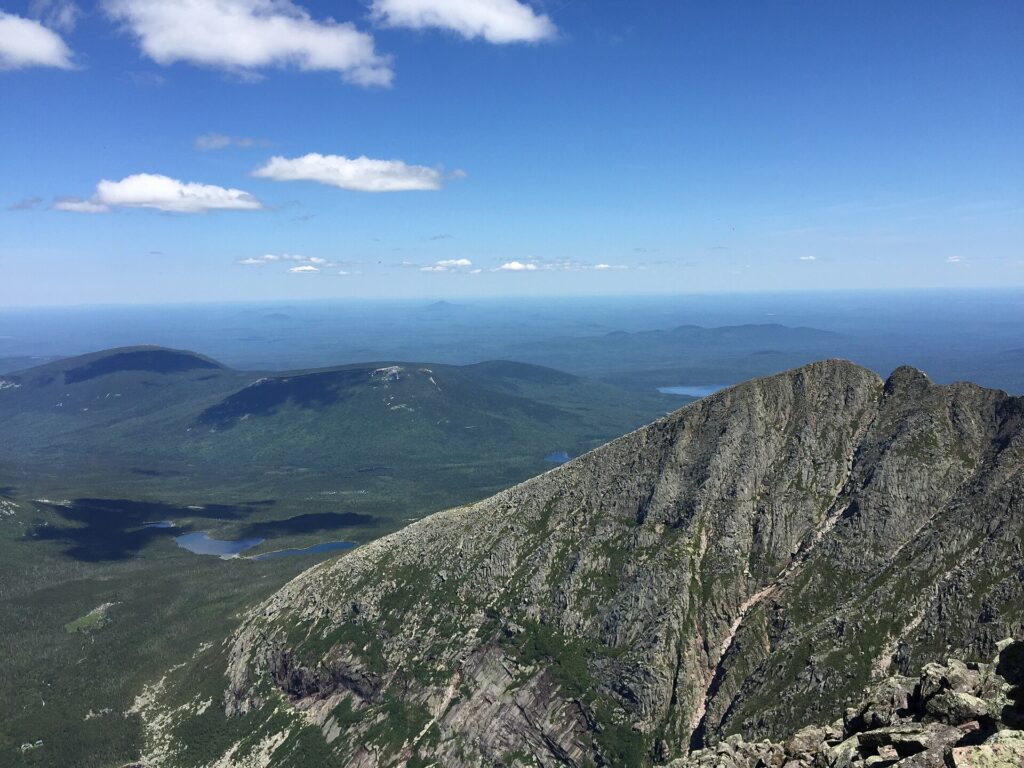
In the text of The Maine Woods on Project Gutenberg, Thoreau leaves Concord on August 31, 1846, and leaves Bangor by buggy the next day. He travels with a relative in the Bangor lumber trade who was heading to a dam on the West Branch of the Penobscot. The Walden Woods Project names that companion as his cousin George Thatcher. Along the way he hired boatmen Uncle George McCauslin and Tom Fowler, and he had expected Indian guides who did not join the party.
An article on maineconservation.org says the group paddled and portaged to the Sowadnehunk Deadwater, about twelve miles from the summit. From there Thoreau tried the mountain.
Did he reach the top? No. Both sources we checked say he did not reach the summit. They differ on how the climb ended, and we cover that below.
Thoreau’s account was first published in The Union Magazine of Literature and Art in 1848, according to Wikipedia, and was revised for the book. If you want to climb the mountain yourself, see our Baxter State Park guide.
The Chesuncook essay appeared in three issues of The Atlantic in 1858 at the invitation of editor James Russell Lowell. Wikipedia names Joe Aitteon, a Native American guide, as Thoreau’s guide on this trip. Wikipedia also says Thoreau objected when Lowell cut a sentence and later refused to work with Lowell again. It says the cut was purportedly made because Lowell found the sentence too flowery, and we have not seen Lowell’s own explanation.
1853: Chesuncook
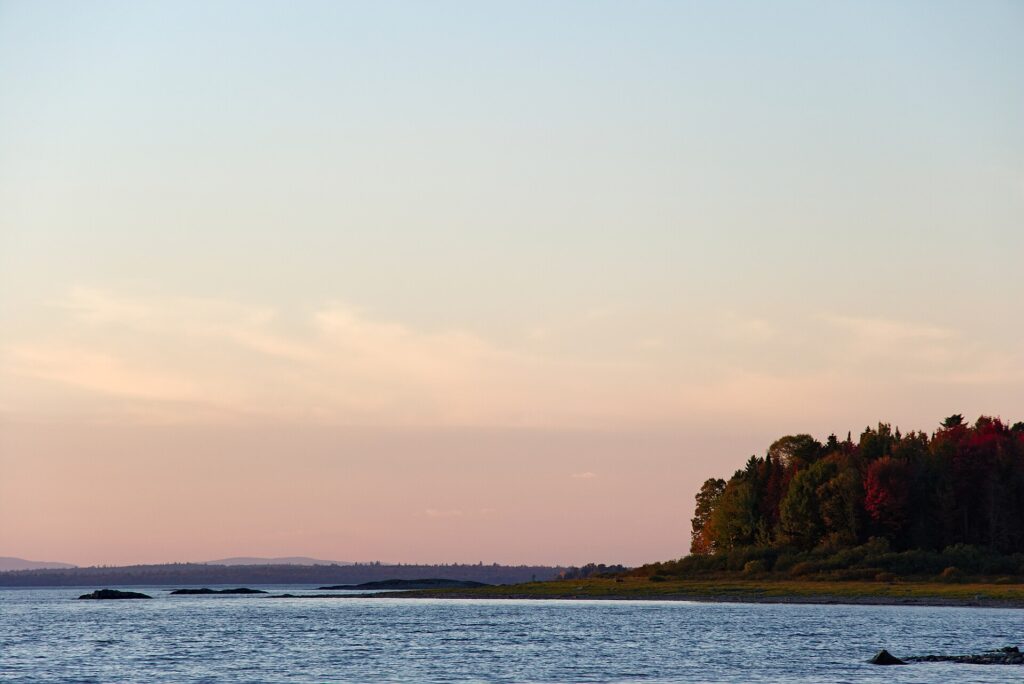
1857: the Allagash and the East Branch
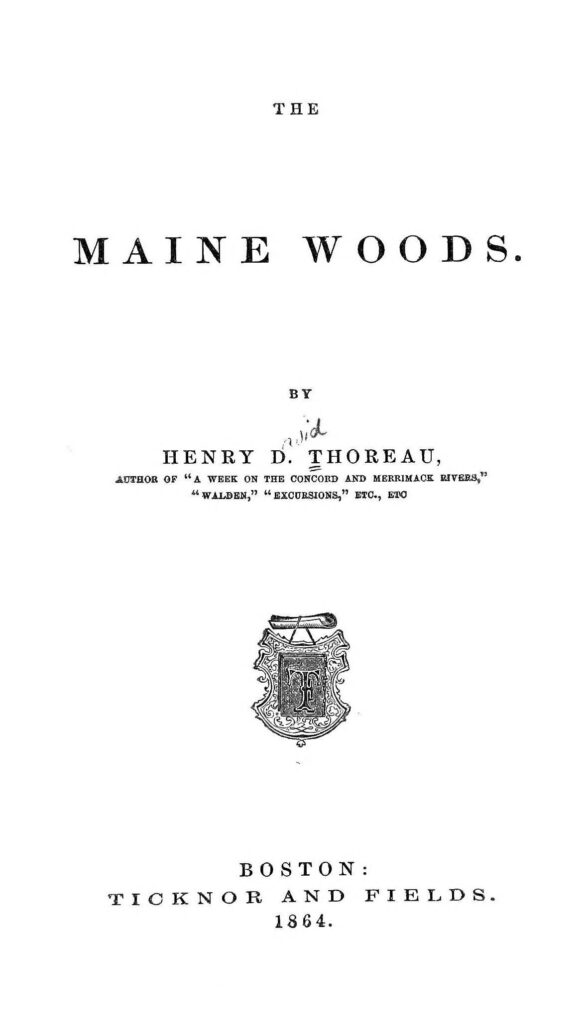
The 1857 trip is the longest chapter in the book, and it appeared in print for the first time in The Maine Woods in 1864. The book was edited by William Ellery Channing after Thoreau’s death and contains three writings and an appendix, per Wikipedia. Wikipedia says this trip largely retraces paths of the earlier ones.
Can you follow Thoreau’s route today?
Parts of it, yes. The Thoreau Society describes a July 2019 Penobscot River tour led by Maine Guides. The group paddled up Lobster Stream, then down the West Branch of the Penobscot, crossed Lobster Lake, and camped on Chesuncook Lake with views of Katahdin. The article calls Lobster Stream an easy paddle. The 2014 anniversary trip, for the 150th anniversary of the book, covered about 325 miles: across Moosehead Lake and the North East Carry, down the West Branch to Chesuncook, then through Umbazooksus Stream, the Mud Pond Carry, Chamberlain and Eagle Lakes, and Webster Stream to the East Branch.
These are remote waters, and the article does not say the full route can be retraced today. Talk to a Registered Maine Guide or the landowner before planning a trip. For lake-based trips closer to the road, see our best lakes in Maine and Moosehead Lake pages.
Why the sources disagree
- How the Katahdin climb ended. The Walden Woods Project says Thoreau set off alone, ran out of daylight, and turned back to camp, where he found his companions picking berries in a mountain meadow. The maineconservation.org article describes two attempts, cloud and mist on the ridge, and a later rest at a cloudless spot lower on the mountain. Both say he did not reach the summit.
- Who traveled with him. Thoreau’s text says a relative in the Bangor lumber trade. The Walden Woods Project names his cousin George Thatcher. The maineconservation.org article mentions only woodsmen and companions.
- Why Lowell cut the Chesuncook sentence. Wikipedia says purportedly because it was too flowery. We have not found Lowell’s own reason.
- Spelling. Thoreau’s Ktaadn became today’s Katahdin, so searches and books use both.
Thoreau in Maine: FAQ
Did Thoreau climb Katahdin?
He tried in 1846 but did not reach the summit, according to the Walden Woods Project and an article on maineconservation.org.
How many times did Thoreau go to Maine?
Three trips, in 1846, 1853 and 1857, which became the three parts of The Maine Woods.
When was The Maine Woods published?
In 1864, two years after Thoreau’s death. William Ellery Channing edited it, per Wikipedia.
Where can I read The Maine Woods online?
The full text is on Project Gutenberg.
Our details come from Wikipedia’s article on The Maine Woods, the Project Gutenberg text, the Walden Woods Project, an article on maineconservation.org, the Thoreau Society and Thoreau-online. We have not independently verified each of their statements.